Source Aluminum Alloy Electric Gravel Bike for Commuting
Compare 30 aluminum alloy electric gravel bike options featuring 48V lithium batteries, 500W motors, and front suspension. These models offer 31-60km range and dual disc brakes for reliable urban and off-road performance; compare the available evidence and request quotations based on your requirements.
Key considerations
Products List




Comprehensive Sourcing Guide
Aluminum Alloy Electric Gravel Bike Sourcing Guide
Procuring aluminum alloy electric gravel bikes requires a strategic balance between lightweight durability and robust electric assistance. The aluminum alloy frame serves as the foundational element, offering a favorable strength-to-weight ratio that is critical for off-road performance. Buyers must verify that the specific alloy grade and tube shaping align with the intended terrain, as gravel riding imposes unique stress loads compared to paved urban commuting. The material choice directly influences ride quality, vibration damping, and long-term structural integrity under heavy loads.
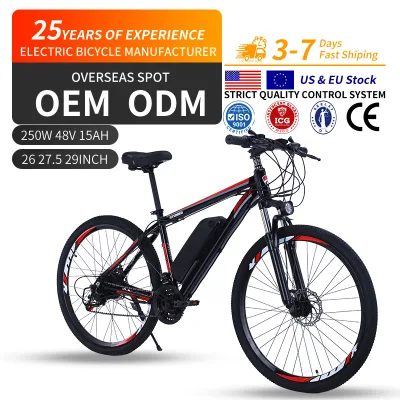
The electric component integration adds significant complexity to the sourcing process, particularly regarding battery placement and motor positioning. Observations indicate that down tube battery placement is common, which lowers the center of gravity and improves handling stability on uneven surfaces. However, buyers should confirm whether the motor is a rear hub type or mid-drive, as this affects torque delivery and gear compatibility. The interplay between the aluminum chassis and the electrical system dictates the overall weight distribution, which is paramount for maintaining control on loose gravel or steep inclines.
Product Scope and Observed Listing Signals
Market listings for aluminum alloy electric gravel bikes reveal a diverse range of specifications that cater to different user profiles. Observed data points to a maximum speed range of 20-40 km/h, with some models capped at 25 km/h to comply with specific regional regulations. The wattage typically falls between 351-500W, providing sufficient power for varied terrain without excessive energy consumption. Buyers should note that while some listings advertise high-speed capabilities, the actual performance may vary based on rider weight, terrain, and battery charge level, necessitating careful review of individual product datasheets.
Battery specifications are a critical differentiator in the current market, with lithium batteries being the standard choice for their longevity and energy density. Observed voltage levels are predominantly 48V, paired with capacities such as 15AH, resulting in a watt-hour rating around 720Wh. This configuration supports a range of 31-60 km per charge, which is suitable for most gravel excursions. The charging time is generally reported as 3-4 hours, allowing for quick turnaround between rides. Buyers must verify if the battery is removable for convenient charging or if it requires the entire bike to be plugged in, as this impacts user convenience and security.
Technical Specifications to Verify
Wheel size and tire configuration are pivotal for gravel bike performance, with 26-inch wheels being a common observation in the supplied data. However, the market also shows variations including 27.5 and 29-inch options, each offering distinct trade-offs between agility and rollover capability. Tire width, such as 26*1.95, influences traction and comfort on rough surfaces. Buyers should ensure that the frame geometry accommodates the desired tire width, as clearance issues can limit customization options. The choice of wheel size should align with the rider’s preference for speed versus maneuverability on technical trails.
Suspension and braking systems are equally important for safety and control on gravel terrain. Front fork suspension, often adjustable, helps absorb shocks from uneven ground, enhancing rider comfort and bike control. The braking system is typically a double disc brake or dual mechanical brake, providing reliable stopping power in wet or muddy conditions. Buyers must verify the brake type and rotor size, as hydraulic disc brakes generally offer superior modulation compared to mechanical ones. Additionally, the presence of a 7-speed gear system allows for efficient power transfer across varying gradients, which is essential for maintaining momentum on gravel paths.
Compliance and Safety Documentation
Certification is a non-negotiable aspect of sourcing electric bikes, ensuring that the product meets regional safety and performance standards. The supplied data highlights certifications such as ENCE, En15191, and Sii Report, which are crucial for market access in Europe and other regulated regions. Buyers must verify that the specific model they intend to purchase holds the relevant certifications for their target market, as non-compliant products can face customs delays or legal penalties. The presence of these certifications indicates that the bike has undergone rigorous testing for electrical safety, electromagnetic compatibility, and structural integrity.
Standards such as EN15194 and Sii further define the technical requirements for electric pedal cycles, covering aspects like motor power limits and speed cut-offs. Buyers should request copies of these certificates and cross-reference them with the product model number to ensure authenticity. It is also important to verify that the battery and charger comply with local electrical safety standards, such as UL or CE marking, depending on the destination country. Proper documentation not only facilitates smooth customs clearance but also provides legal protection for the buyer in case of product liability issues.
Cost Drivers and Commercial Terms
The price range for aluminum alloy electric gravel bikes is observed to be between $88.96 and $2200, reflecting significant variation in component quality and brand positioning. Lower-priced models may use basic aluminum alloys and entry-level electric components, while higher-priced options feature advanced suspension, premium batteries, and refined frame geometries. Buyers should align their budget with the required performance specifications, avoiding the temptation to choose the cheapest option if it compromises critical safety or durability features. The cost difference often correlates with the brand reputation and the level of after-sales support provided.
Minimum Order Quantity (MOQ) varies widely, with observed ranges from 1 to 200 units, catering to both individual buyers and large-scale distributors. For smaller orders, buyers may face higher per-unit costs due to limited economies of scale, while bulk purchases can negotiate better pricing and customization options. Customization is available for many suppliers, allowing for branding, color, and component upgrades. Buyers should clarify the MOQ requirements and associated costs early in the negotiation process to avoid unexpected expenses. Understanding the commercial terms, including payment methods and shipping responsibilities, is essential for accurate total cost calculation.
Supplier Qualification and Quality Control
Supplier location and origin are key factors in assessing reliability and logistics efficiency. The supplied data indicates origins in Jinhua and Guangdong, China, regions known for their manufacturing capabilities in bicycles and electric vehicles. Buyers should verify the supplier’s production capacity and quality control processes to ensure consistent product quality. Factories with established quality management systems are more likely to deliver products that meet specified standards and reduce the risk of defects. Due diligence should include reviewing the supplier’s history, client testimonials, and any relevant industry awards or recognitions.
Quality control measures should be implemented throughout the production process, from raw material inspection to final assembly and testing. Buyers should request detailed inspection reports and consider third-party quality audits for large orders. Key areas to focus on include weld quality of the aluminum frame, battery cell consistency, and motor performance. Establishing clear communication channels with the supplier ensures that any issues are addressed promptly. Building a strong relationship with the supplier can lead to better support, faster response times, and improved product iterations based on feedback.
Long-Term Procurement Checks
After-sales support and warranty terms are critical for long-term satisfaction and risk mitigation. Buyers should inquire about the warranty coverage for the frame, battery, motor, and other components, as well as the process for claiming repairs or replacements. A robust warranty policy indicates the supplier’s confidence in their product quality and commitment to customer satisfaction. Additionally, buyers should assess the availability of spare parts and technical support in their region, as this impacts the total cost of ownership. Reliable after-sales service ensures that any issues are resolved quickly, minimizing downtime and enhancing user experience.
Sustainability and environmental considerations are increasingly important in the procurement of electric bikes. Buyers should verify if the supplier adheres to eco-friendly manufacturing practices and if the product features are aligned with sustainability goals, such as waterproofing and anti-bacterial materials. The use of recyclable materials and energy-efficient production processes can enhance the brand’s reputation and appeal to environmentally conscious consumers. Long-term procurement strategies should also consider the end-of-life disposal and recycling options for the battery and other components, ensuring compliance with environmental regulations and promoting circular economy principles.
FAQs
What is the maximum speed of this aluminum alloy electric gravel bike?
The maximum speed is typically 25 km/h or up to 40 km/h depending on the specific model configuration. This variation allows buyers to select a bike that meets local regulatory limits or performance preferences. The motor wattage ranges from 351 to 500W, providing sufficient power for varied terrain while maintaining efficiency.
Can the aluminum alloy electric gravel bike be customized for different markets?
Yes, customization is available for various plug types and regional standards. Buyers can choose from US, Swiss, European, British, or Australian plugs to ensure compatibility. The frame material is aluminum alloy, and the battery is a 48V lithium unit. This flexibility supports diverse international distribution requirements without compromising structural integrity.
Which certifications apply to this aluminum alloy electric gravel bike?
The product holds ENCE certification and complies with EN15191 and Sii Report standards. These certifications ensure safety and performance compliance for electric bicycles in regulated markets. The standard also references EN15194. Buyers seeking certified suppliers should verify these documents to ensure the product meets specific regional legal requirements for electric vehicle operation.
How far can the aluminum alloy electric gravel bike travel on a single charge?
The range per power is between 31 and 60 km on a single charge. This distance depends on riding conditions, rider weight, and terrain. The battery capacity is 15AH with a watt-hour rating of 720Wh. This range is suitable for daily commuting and moderate recreational riding, offering reliable performance for urban and light off-road use.
What is the battery voltage and type for this aluminum alloy electric gravel bike?
The battery voltage is 48V and it uses a lithium battery type. The battery is positioned in the down tube for balanced weight distribution. Charging time is approximately 3 to 4 hours. This configuration provides efficient power delivery and supports the 500W motor output, ensuring consistent performance across various riding modes and terrain types.
What is the gross weight and packaging size of this aluminum alloy electric gravel bike?
The gross weight is 30 kg, and the single package size is 145x25x77 cm. The product is packed in a carton for safe shipping. The carton size is listed as 86.46.73, which may refer to specific dimensions. These specifications help buyers calculate shipping costs and storage requirements accurately for bulk orders or individual shipments.